
Financial Key Performance Indicators (KPIs) for small to mid-tier architecture practices
17 May 2023 • Insight • Professional Practices
Preparedness pays
Over the last few years we've worked with many founder-managed businesses. One of the key things impacting transaction outcomes, no matter the size or sector, is the preparedness of a business ahead of exit. Over the last few years in the M&A industry, we’ve worked with many founder-managed businesses varying in size, sector and strategy. One of the key things impacting transaction outcomes is the preparedness of a business ahead of exit. While it may seem that preparation only becomes critical the closer to a sale you get, the reality is that the quality and availability of information over time is fundamental to building buyer confidence. In our experience, successful transactions are typically underpinned by availability of consistent historical data and a clear, credible strategy for future growth. Conversely, we’ve seen transactions fall over at various points in a deal, but the most common stage is during due diligence.
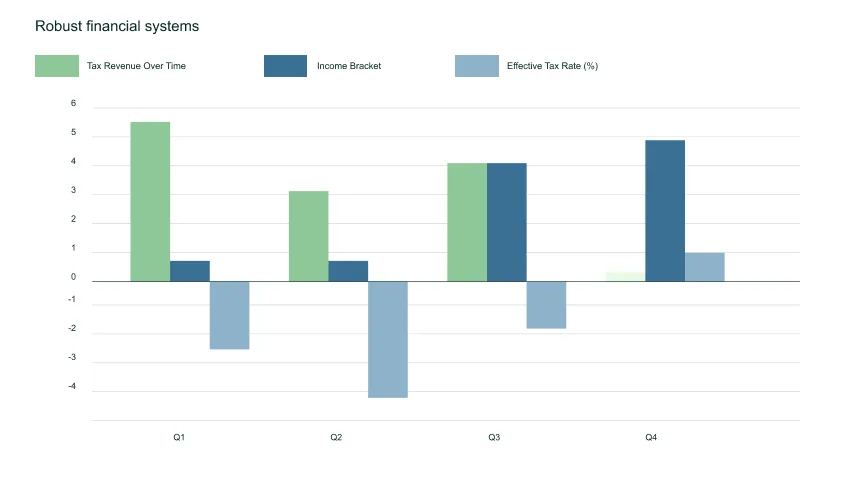
Robust financial systems for 2025
A history of due diligence
Financial due diligence focuses on both the historical and forecast performance of the business, as well as its quality of earnings. Establishing robust financial systems and processes from an early stage helps to build financial discipline. The implementation of a professional accounting system and controls will ensure financials are documented in a systematic manner from the start. Solid evidence of past performance, including management accounts that tie to statutory accounts and detailed account breakdowns (e.g. aged receivables listing, fixed asset register, revenue breakdowns etc.), instils trust in the business’ underlying fundamentals and business model. Forecasts play a pivotal role in shaping valuation expectations. They need to strike the right balance between ambitious and achievable, as buyers may base their valuation on an outturn of current earnings or the future earnings potential of the business. Having credible, data-backed assumptions behind revenue and cost projections (e.g. pipeline visibility, hiring plans etc.) and preparing a fully integrated 3-Statement Model to demonstrate the assumptions, will substantiate the growth story and excite prospective buyers.
Over the last few years we've worked with many founder-managed businesses. One of the key things impacting transaction outcomes, no matter the size or sector, is the preparedness of a business ahead of exit.
Milo Osmond Finance Director
Finance Director
Robust financial systems
Financial due diligence focuses on both the historical and forecast performance of the business, as well as its quality of earnings. Establishing robust financial systems and processes from an early stage helps to build financial discipline. The implementation of a professional accounting system and controls will ensure financials are documented in a systematic manner from the start. Solid evidence of past performance, including management accounts that tie to statutory accounts and detailed account breakdowns (e.g. aged receivables listing, fixed asset register, revenue breakdowns etc.), instils trust in the business’ underlying fundamentals and business model. Forecasts play a pivotal role in shaping valuation expectations. They need to strike the right balance between ambitious and achievable, as buyers may base their valuation on an outturn of current earnings or the future earnings potential of the business. Having credible, data-backed assumptions behind revenue and cost projections (e.g. pipeline visibility, hiring plans etc.) and preparing a fully integrated 3-Statement Model to demonstrate the assumptions, will substantiate the growth story and excite prospective buyers.
Corporate structure and governance
One of the most critical, and often time consuming, stages in a transaction is legal due diligence. The lawyers analyze every aspect of the business, including the following (which is by no means an exhaustive list):
Corporate structure and governance documents (e.g. articles of incorporation, shareholder agreements, board minutes etc.)
Material supplier and customer contracts
Loan agreements, debt terms, and credit facilities
Intellectual property
Employment matters (e.g. management team contracts, compliance with labour laws, employee benefit schemes etc.)
Real estate - property ownership / rental agreements
Any ongoing or prior litigation
Compliance with GDPR and other cybersecurity laws
Employment matters
One of the most critical, and often time consuming, stages in a transaction is legal due diligence. The lawyers analyze every aspect of the business, including the following (which is by no means an exhaustive list):
Corporate structure and governance documents (e.g. articles of incorporation, shareholder agreements, board minutes etc.)
Material supplier and customer contracts
Loan agreements, debt terms, and credit facilities
Intellectual property
Employment matters (e.g. management team contracts, compliance with labour laws, employee benefit schemes etc.)
Real estate - property ownership / rental agreements
Any ongoing or prior litigation
Compliance with GDPR and other cybersecurity laws
Our values guide everything we do
Tax services overview
Audit & Assurance | Independent financial audits and compliance | Charities, SMEs, Corporates | Trust, transparency, regulatory compliance |
Audit & Assurance | Independent financial audits and compliance | Charities, SMEs, Corporates | Trust, transparency, regulatory compliance |
Audit & Assurance | Independent financial audits and compliance | Charities, SMEs, Corporates | Trust, transparency, regulatory compliance |